
Rama Duwaji Refashions Political Style With Art-Driven Precision
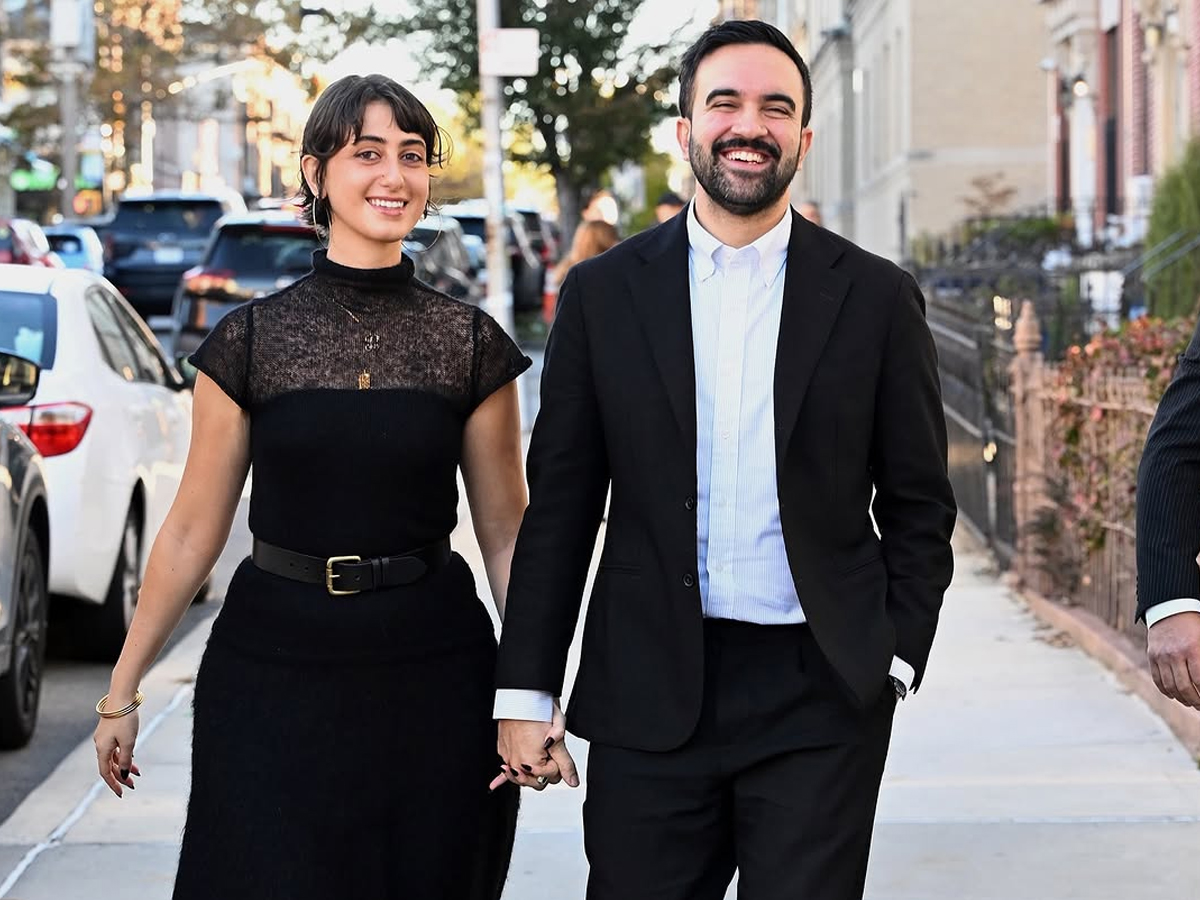
At 28 years old, artist Rama Duwaji is stepping into the role of New York City’s first-lady-designate not through opt-in ceremony but by reframing how political presence is built. Her aesthetic - rooted in Arab heritage, low-key vintage influences and socially-aware design - signals a shift in how public leadership presents itself.
Her emergence follows the electoral victory of her husband, Zohran Mamdani, and carries weight not because of traditional “first-lady” symbolism, but because Duwaji uses fashion and art as platforms for identity and values. Her choice of Palestinian-Jordanian designer Zeid Hijazi for a denim top at a key public moment, and her preference for independent New York labels over legacy bridged brands, are quieter gestures than spectacle - but they carry significance.
What is particularly striking is how Duwaji’s role defies the usual blueprint. Rather than acting as a backdrop to political ambition, she positions her creative work as an extension of it. Her art explores themes of displacement and identity, and her wardrobe choices reflect that intersection of culture and politics. In doing so, she recasts the first-lady figure not as a peripheral partner but as a visible node of cultural representation and generational change.
The broader implication for the luxury and lifestyle world is consequential. Duwaji reminds us that style today is not measured simply by luxury-index or logo visibility, but by the coherence of narrative, authenticity of origin and resonance with value-driven audiences. As political and cultural spheres converge into visual currency, her example shows how personal aesthetic becomes public architecture - and how “dressing leadership” now involves creating meaning as much as making a statement.