LVMH Faces Difficult Luxury Market Rebuild
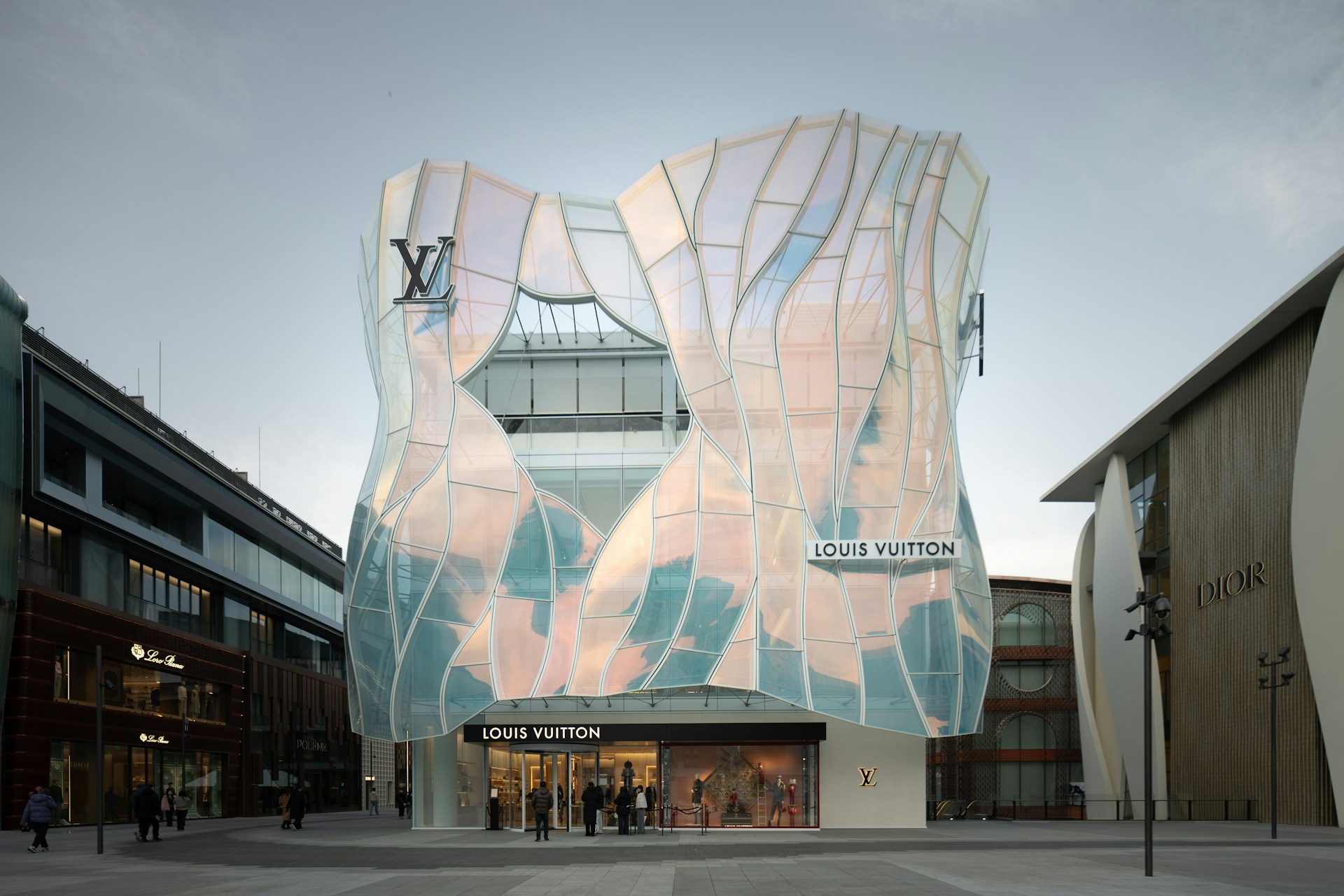
LVMH is facing one of the toughest resets in its recent history after losing more than $167 billion in market value this year, as weaker Chinese demand and changing luxury spending patterns weigh on its largest profit engine.
The group, led by Bernard Arnault since 1989, remains heavily dependent on Fashion and Leather Goods, which generated roughly three-quarters of recurring operating profit last year. Louis Vuitton alone is estimated by UBS to contribute more than half of that division’s earnings, leaving LVMH particularly exposed when demand for high-end leather goods softens.
China has become the main pressure point. Chinese consumers account for close to a third of divisional sales, while the country’s personal luxury market has contracted sharply since 2024. At the same time, shoppers have become more selective after years of steep price increases, with jewellery and prestige beauty proving more resilient than handbags.
LVMH is responding by emphasising product desirability, creative renewal and store investment rather than widespread price cuts. Dior and Loro Piana have shown stronger momentum, while Louis Vuitton continues to rely on brand strength and a broad global footprint. The United States has also provided some support, though not enough to offset weaker Asian demand.
The difficulty is structural as well as cyclical. LVMH now owns more than 75 brands, limiting the impact of large acquisitions, while its size makes any shift in strategy slower to register at group level.
Investors are already pricing in a more cautious outlook. LVMH’s forward earnings multiple has fallen sharply this year, reflecting uncertainty over when growth will recover. Restoring momentum will depend on rebuilding relevance in China, broadening the group’s sources of profit and proving that its strongest maisons can still sustain pricing power.