
Luxury’s Gen Z Courtship Faces Friction
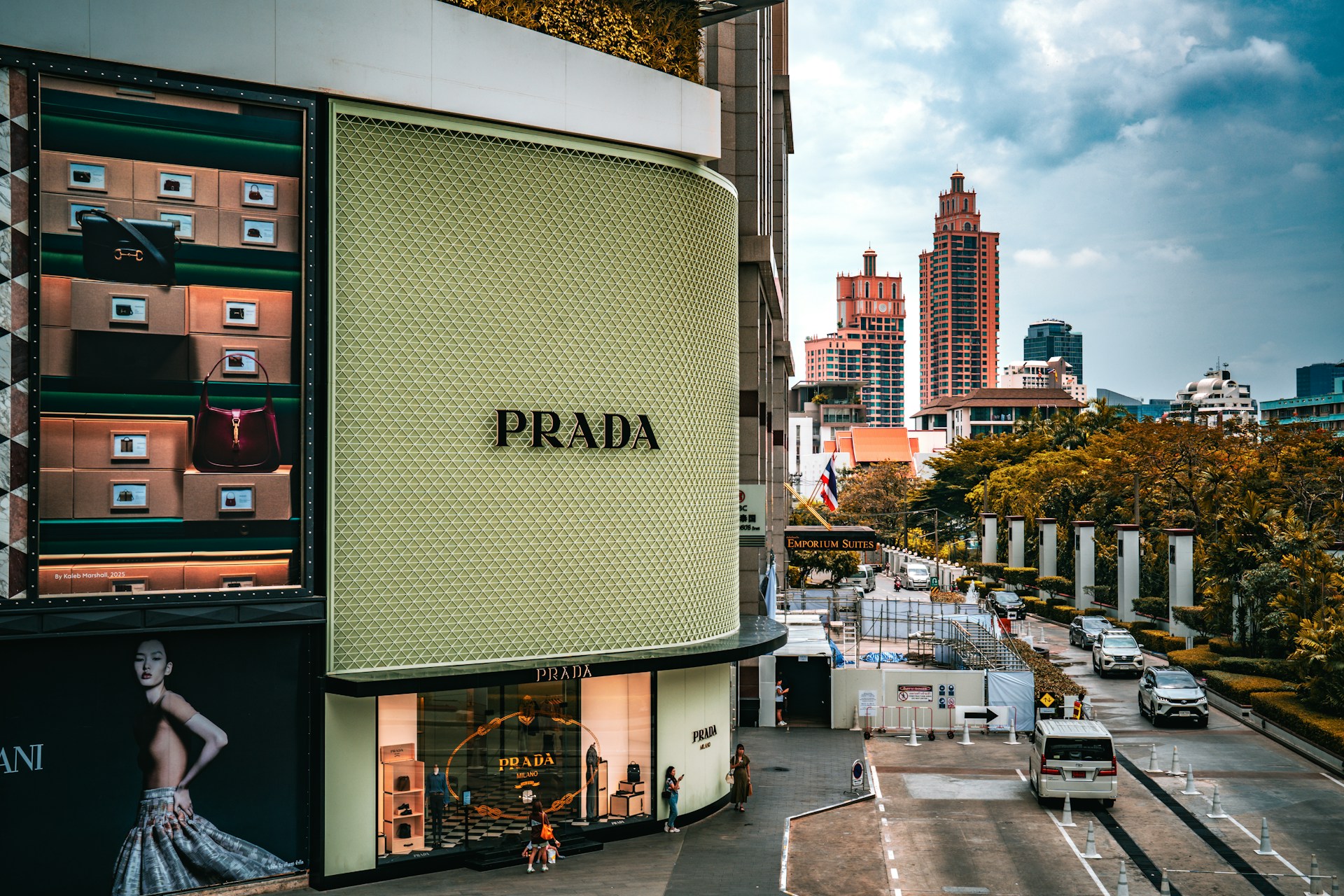
Luxury fashion is looking to The Devil Wears Prada 2 as a possible cultural bridge to younger consumers, but the market it hopes to reach has changed sharply since the original film helped bring designer fashion into mainstream aspiration. Gen Z already knows luxury; the problem is whether it still believes in it.
The personal luxury market has endured a two-year downturn, falling from $435bn in 2023 to $422bn in 2025. Leather goods, long one of the sector’s flagship categories, declined nearly 9% over the same period. That weakness sits behind a deeper issue: many brands have raised prices by 20% to 30% since the pandemic, while consumers increasingly question whether quality, materials and value have risen in step.
For Gen Z, the challenge is not discovery but trust. The generation is described as more willing to interrogate luxury, expecting transparency, authenticity and ethical consistency rather than accepting heritage as sufficient justification. Concerns around supply chains, labour practices, environmental impact, overproduction and aggressive pricing have weakened the emotional authority that luxury once held over aspirational shoppers.
This scepticism is redirecting spending. Luxury-for-less brands, high-street alternatives and resale platforms now offer younger consumers access to style, status and experimentation without the same financial or ethical burden. The global fashion resale market reached $257bn in 2025 and is projected to grow to $289bn in 2026, while nearly 60% of Gen Z consumers surveyed said they regularly check second-hand options before buying new.
The unresolved question is whether nostalgia can repair a value gap. The Devil Wears Prada 2 may revive fashion’s theatrical glamour, but Gen Z appears less persuaded by spectacle alone. The luxury brands that win attention now may be those able to make desirability feel earned, not merely priced.