
Luxury Handbags Face A Price Reckoning
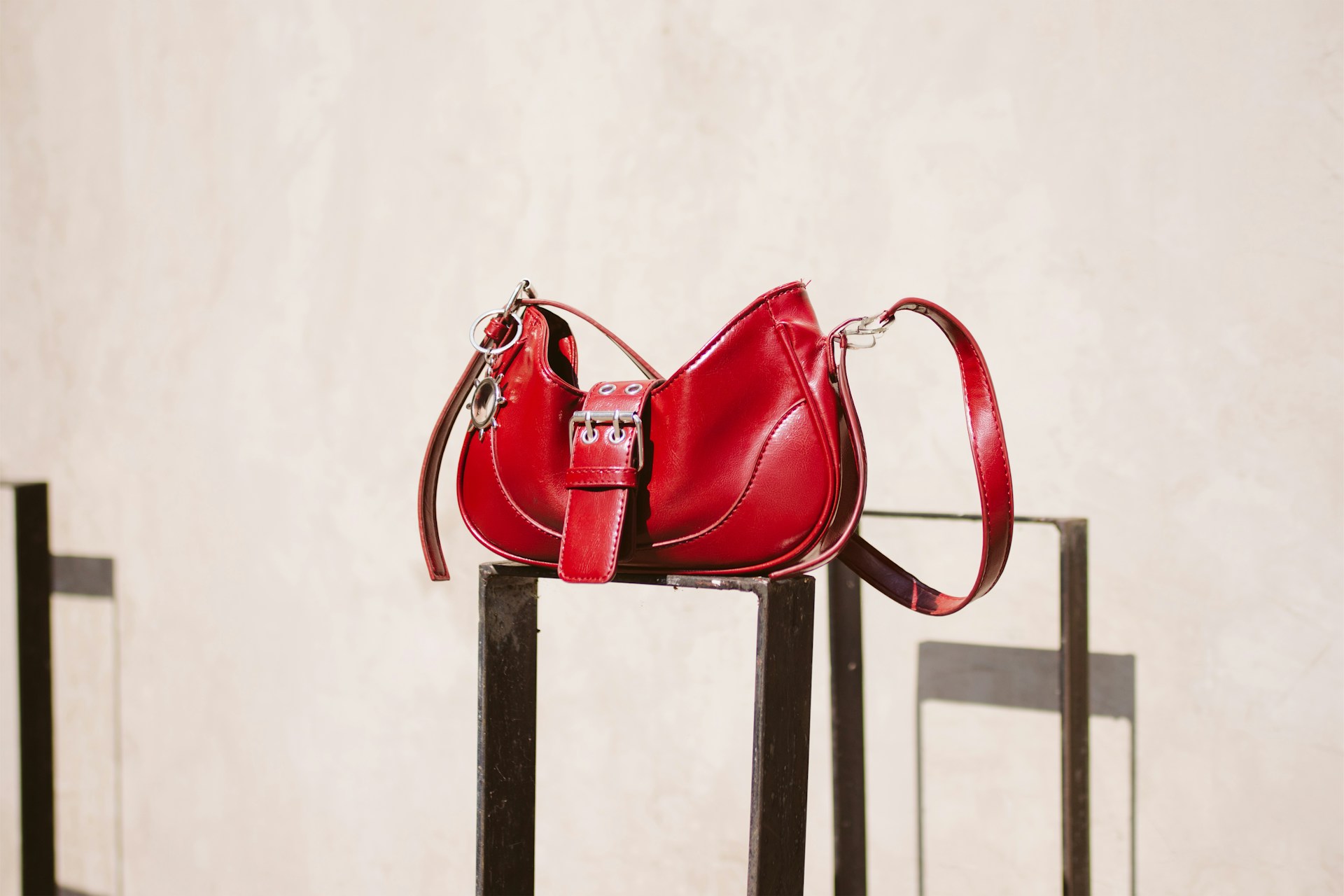
Luxury’s handbag market is showing signs of resistance as shoppers push back against years of steep price rises and look beyond the industry’s most recognisable names. What was once an almost automatic route into luxury is becoming a more considered purchase, with value, originality and discretion carrying greater weight.
That shift is becoming visible in how major houses are responding. Gucci quietly reduced the price of its medium leather Mercato tote by an estimated 20 to 25 per cent in May, according to Vogue, as the Kering-owned house sought to reconnect with aspirational customers. The move comes after a period when pricing did much of the heavy lifting for luxury growth. McKinsey estimates that more than 80 per cent of industry growth between 2019 and 2023 came from price increases rather than higher volumes.
The result is not a disappearance of handbag desire. It is a change in where that desire is landing. Shoppers are increasingly considering smaller labels and less ubiquitous designs, drawn by craftsmanship and distinction without the premium attached primarily to recognition. In the United States, 68 per cent of luxury consumers surveyed by McKinsey in 2026 said newer or disruptive brands better reflected their identity than established houses.
The timing is difficult for the sector. European luxury shares fell again in early September as investors questioned the strength of the recovery, while weaker demand persisted across several important markets.
Handbags remain valuable territory, but the formula is changing. Price alone can no longer create prestige. For established houses, the task is to make the object itself compelling again, through design, craftsmanship and that increasingly valuable luxury quality, the pleasure of discovering something before everyone else does.