
Luxury Brands Turn Storytelling Into Strategy
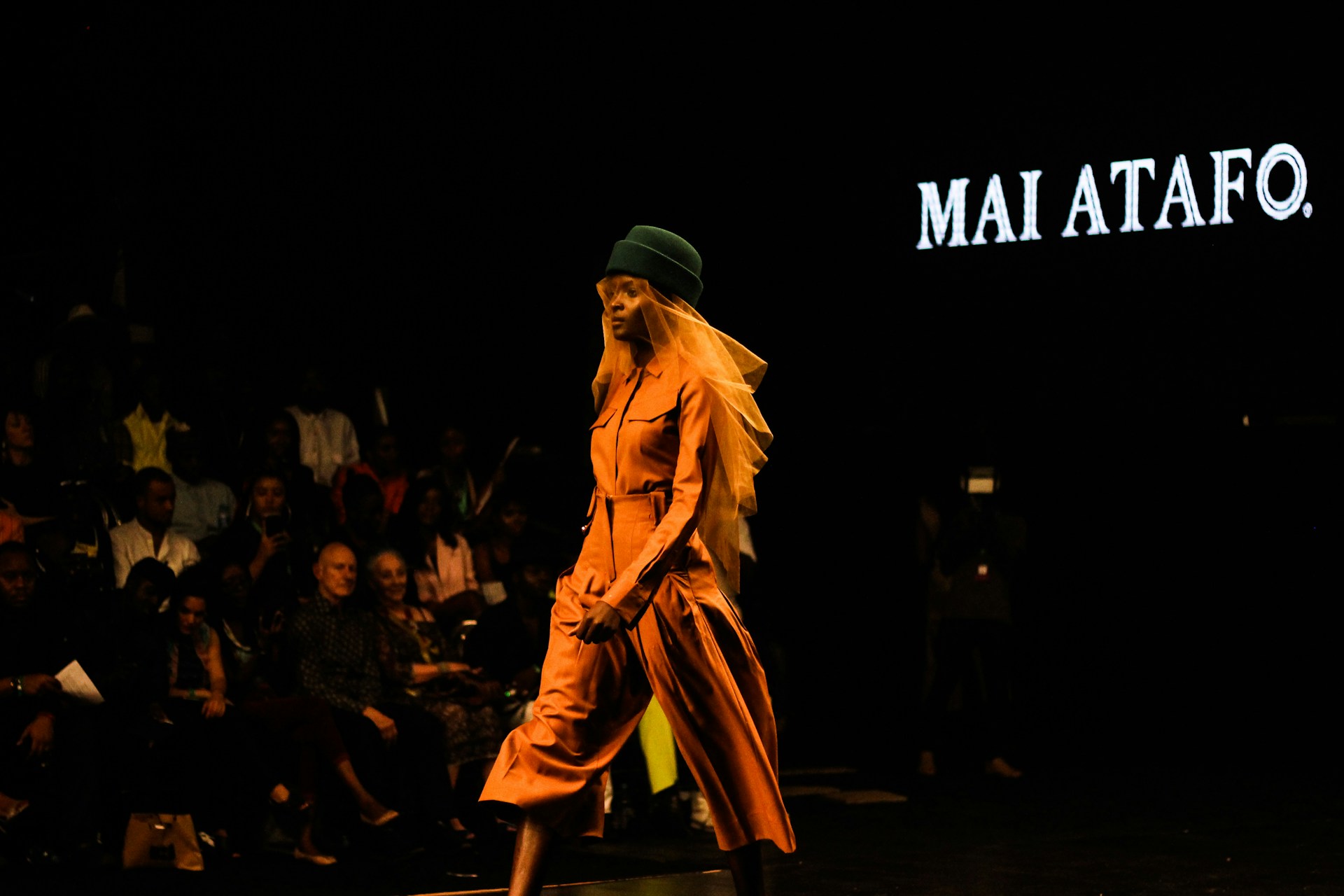
Fashion is increasingly in the business of world-building. Across the luxury sector, brands are investing not only in what consumers can wear, but in what they can experience, inhabit and emotionally connect with. From immersive installations and destination concepts to cross-disciplinary collaborations, the industry's attention is shifting towards the creation of entire brand universes, where narrative itself becomes a form of luxury.
Recent developments highlighted across the luxury landscape underscore the growing importance of storytelling as a strategic asset. Collaborations between fashion labels, hospitality institutions and cultural brands reveal an industry seeking to extend its influence beyond the product. Whether through exclusive partnerships, curated environments or experiential activations, luxury houses are creating opportunities for consumers to engage with a brand's identity through multiple touchpoints. These initiatives are less concerned with a single transaction than with cultivating a lasting relationship built on emotion, aspiration and cultural relevance.
The approach reflects a broader evolution in consumer expectations. Luxury clients increasingly seek experiences that feel immersive, distinctive and personal. As a result, brands are placing greater emphasis on atmosphere and narrative, using creative collaborations and carefully constructed settings to bring their aesthetic codes to life. Projects ranging from hospitality-led experiences to themed retail activations illustrate how storytelling can transform a brand from a label into a living presence, one that extends beyond seasonal collections and product categories.
At the centre of this shift is a growing recognition that desirability is often shaped by context. A collaboration, a destination or a cultural partnership can communicate a brand's values with a depth that traditional marketing rarely achieves. By creating spaces and experiences that consumers can enter and explore, luxury houses are turning storytelling into a tangible expression of identity, allowing audiences to participate in a narrative rather than simply observe it.
The industry's growing investment in experiential concepts points to a subtle redefinition of value. Craftsmanship and design remain essential, but increasingly they are accompanied by something less tangible: the ability to create a compelling world around them. In a luxury landscape shaped by culture, experience and emotion, the most enduring stories may prove just as valuable as the products that inspire them.