
Luxury Brands Confront Growing Quality Backlash
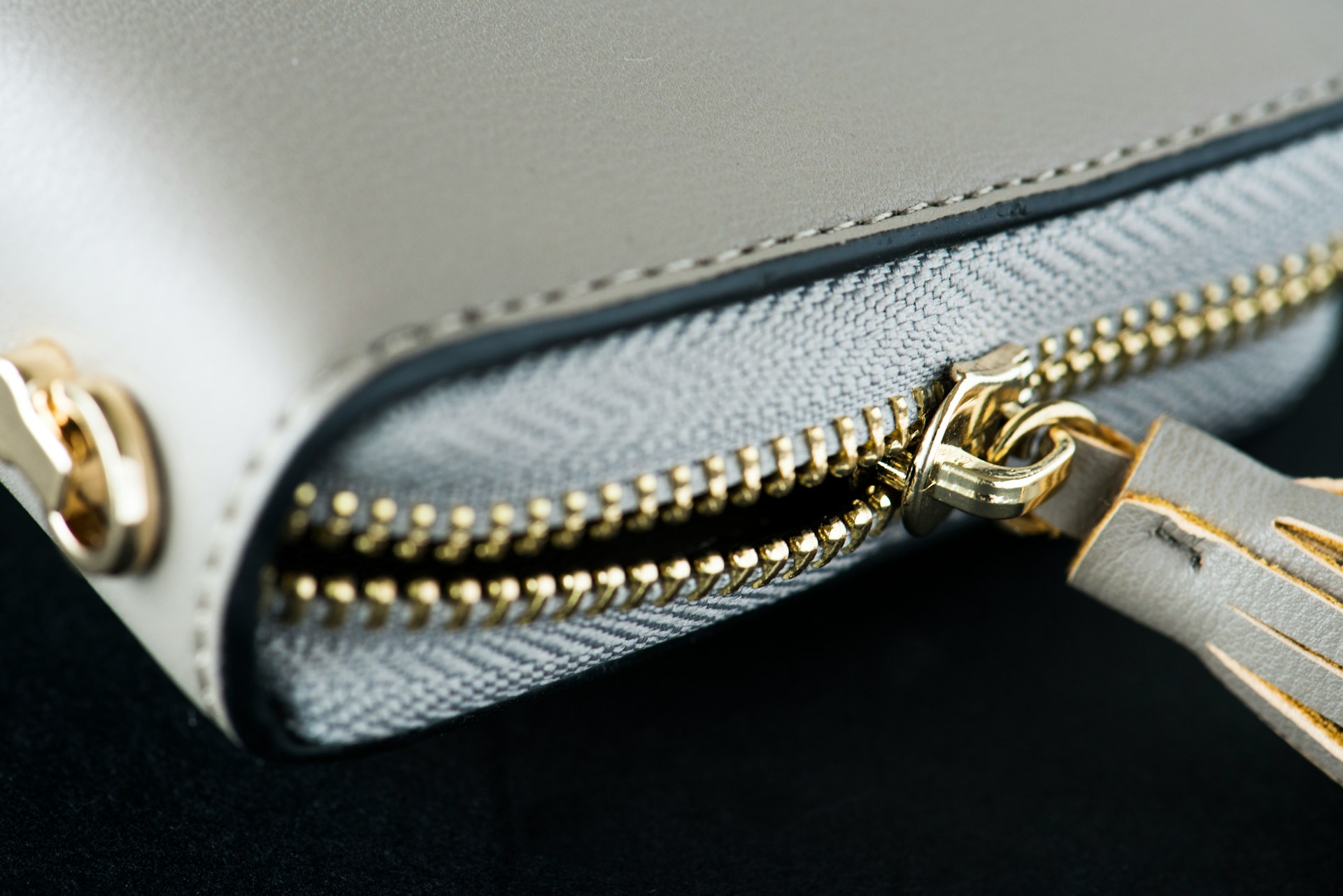
Luxury fashion houses are facing intensifying scrutiny as consumers question whether rising prices still correspond with craftsmanship and durability. Viral social media posts highlighting product failures have amplified concerns that some high-end goods no longer meet traditional expectations of quality.
The debate gained traction after New York-based model Wisdom Kaye shared videos showing items purchased from Miu Miu, including a denim vest and a sweater, appearing to break shortly after purchase. In one instance, a button detached as he unfastened the garment; in another, a zip was visibly damaged. Miu Miu described the incidents as isolated and said they were handled through client services, adding that its global post-purchase return rate ranges between 0.2% and 0.3%. Separate footage posted online showed a pair of Maison Margiela tabi boots with a hollow heel interior, prompting further criticism. Maison Margiela did not respond to requests for comment.
Industry observers suggest the incidents reflect broader structural pressures. Dana Thomas, author of “Deluxe: How Luxury Lost Its Luster”, said she observed declining construction standards as far back as the 2000s, noting simplified finishing techniques and reduced material quality alongside price increases. Leather specialist Volkan Yilmaz, known online for dissecting luxury goods, argued that older pieces often displayed more sophisticated construction methods than recent production, attributing changes partly to the demands of scale.
Recent investigations by Italian prosecutors in 2024 and 2025 exposed labour exploitation within parts of luxury supply chains, revealing subcontracting practices aimed at protecting margins. Manufacturers interviewed described clients seeking cost efficiencies through alternative fabrics or blended materials, while traditional shoemakers confirmed that plastic heel cores are now widespread in footwear production, replacing earlier wood or leather structures.
Some brands, notably Hermès, are cited as maintaining scarcity and craft-focused models, supported by concentrated ownership structures. Meanwhile, consultants have identified growth in the mid-market segment, where accessible pricing combined with perceived quality is attracting consumers. Heightened public scrutiny, amplified by digital platforms, is increasingly shaping perceptions of value in the global luxury market.