
Hermès Tests Luxury’s New China Reality
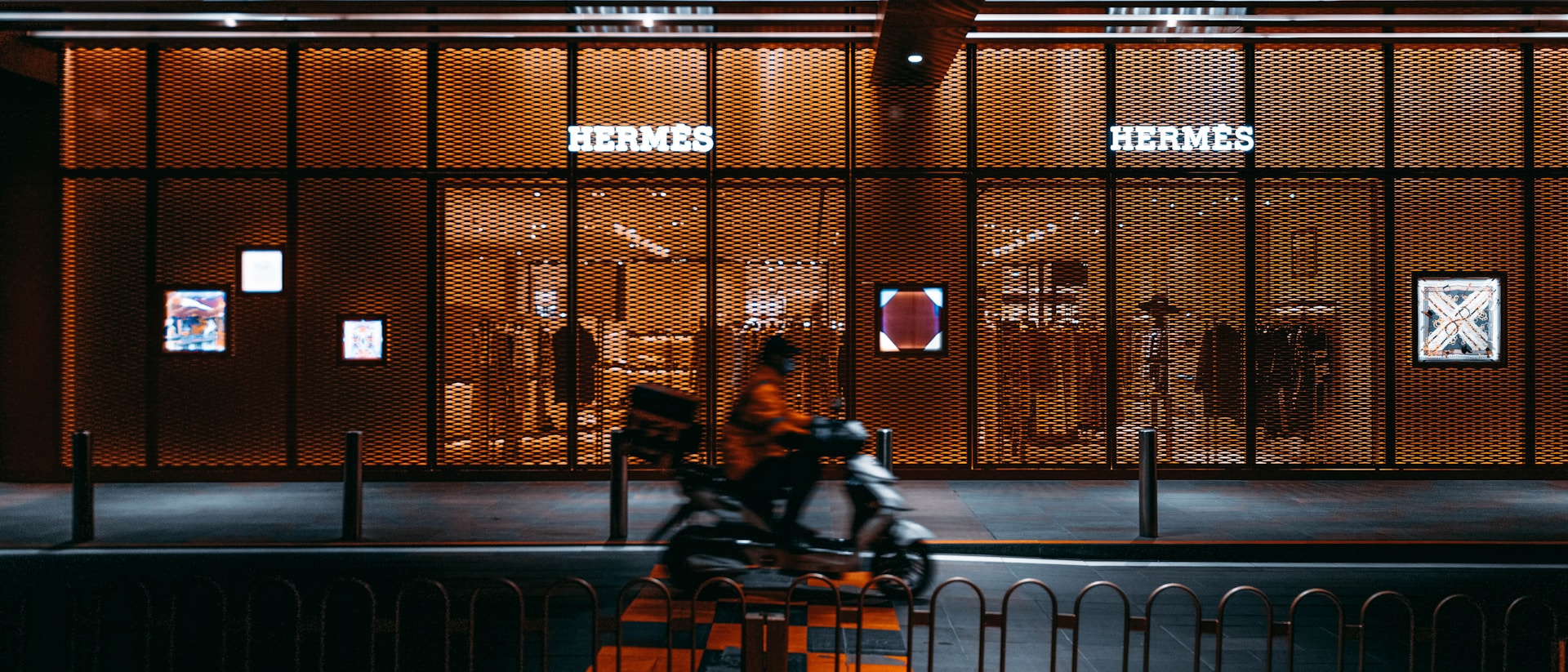
China’s luxury market is no longer moving to the rhythm that once made it the industry’s most dependable growth engine. Hermès, long insulated by scarcity and a wealthy client base, is becoming a useful measure of how far that reset has travelled as analysts reassess the pace of its expansion.
The house continues to outperform many rivals, yet expectations are narrowing. Its shares have fallen roughly 32 per cent from their 52-week high, even as sales remain comparatively resilient. Second-quarter revenue rose 6.7 per cent at constant exchange rates to about €4.1 billion, but the absence of a convincing rebound in China has become harder to ignore.
For luxury, that distinction matters. China’s high-end consumer is still spending, but with greater discrimination. Falling property values, persistent deflation and tighter scrutiny of offshore wealth are weighing on confidence, while middle-class shoppers have already pulled back from discretionary purchases. Bernstein has warned that the recovery in luxury spending is losing momentum, particularly among the clients who once gave the market its breadth.
Hermès is better placed than most to absorb that shift. Controlled supply, limited discounting and dependence on leather goods give the maison a different profile from houses chasing volume or frequent product cycles. But even its resilience now says something about the market: luxury growth is becoming narrower, more concentrated and increasingly reliant on top-tier clients.
That changes the industry’s hierarchy. China is not disappearing from luxury’s future, but its role is becoming more selective. For maisons accustomed to treating demand as expansive, the next phase will require sharper product relevance, tighter client cultivation and patience. Hermès may still sit at the top of the pyramid, but the market beneath it is being redrawn.