Hermès Surpasses LVMH as World's Most Valuable Luxury Brand
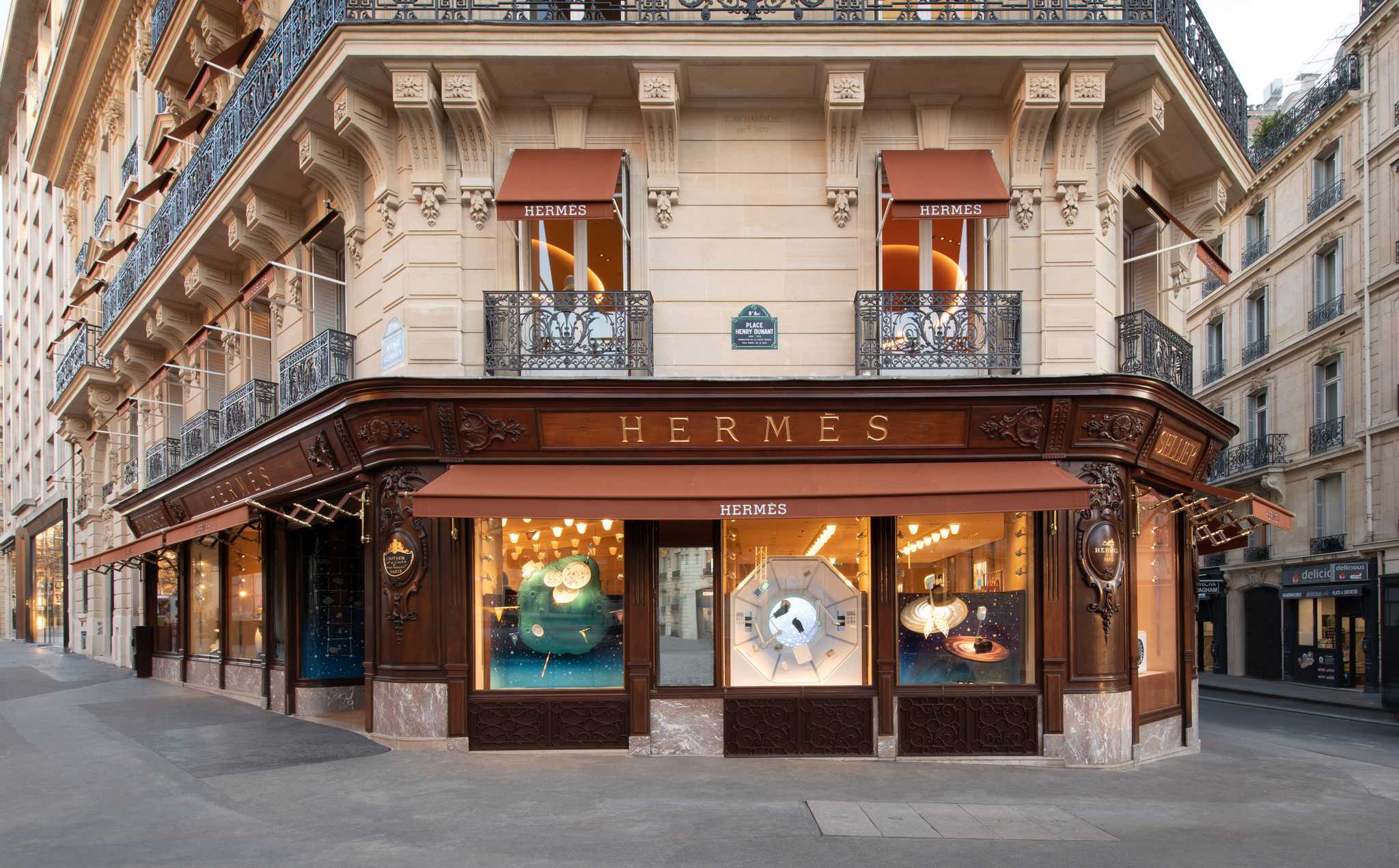
Hermès has overtaken LVMH to become the world's most valuable luxury company, following a significant drop in LVMH's share price due to disappointing first-quarter sales. Hermès' market capitalization reached nearly €248 billion ($281 billion), surpassing LVMH's €245 billion after an 8% decline in LVMH's stock. The downturn in LVMH's performance is attributed to reduced spending from Chinese consumers and economic uncertainties linked to recent U.S. tariffs.
LVMH, the parent company of Louis Vuitton, reported a 3% drop in sales for the first quarter of 2025 compared to the previous year, highlighting early signs of weakening demand for luxury goods in the U.S. and China—even before newly imposed tariffs have taken full effect. This decline dragged the company’s stock down by 7%, bringing it close to losing its title as Europe’s most valuable luxury company to Hermès.
In contrast, Hermès has demonstrated resilience amid the luxury sector's slowdown. The company reported an 11% increase in sales in the last quarter, generating $3.99 billion in revenue. This surge is attributed to Hermès' tight inventory management and control over production, maintaining an aura of exclusivity for its high-demand products such as the Birkin, Kelly, and Constance bags.
Analysts have noted that Hermès' success is due to its focus on ultra-wealthy clients, limited supply maintaining exclusivity, and a strategy that avoids rapid fashion trends, focusing instead on timeless designs. These factors have enabled Hermès to report significant sales growth despite a downturn affecting other luxury brands.
This shift in market leadership underscores the challenges faced by luxury brands reliant on broader consumer bases and highlights the effectiveness of Hermès' strategy in targeting a more resilient, affluent clientele.