
Gucci Unveils Paris Flagship Amid Turnaround
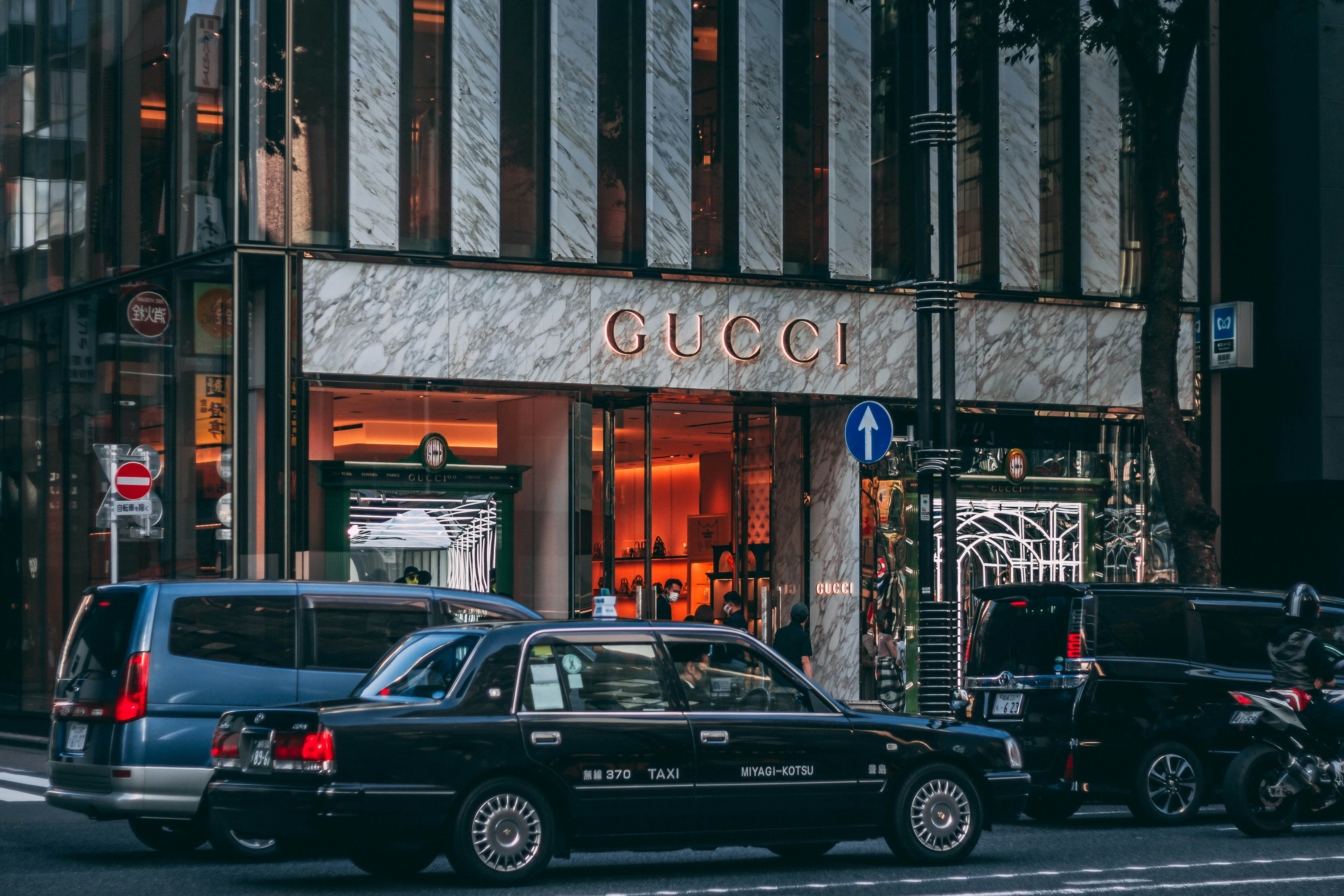
On Paris's Avenue Montaigne, Gucci is unveiling a new expression of Italian luxury. Its redesigned flagship, opening on 30 October, places architecture, craftsmanship and personalised service at the centre of the fashion house's efforts to restore its commercial momentum.
The 1,480-square-metre boutique draws inspiration from historic Italian residences, with travertine stone, carefully selected furnishings and architectural references to Florence and Milan. A sweeping staircase connects the different levels, while a private upper floor provides intimate spaces for Gucci's most established clients.
The design marks a departure from conventional luxury retail layouts. Rather than presenting an expansive showroom, Gucci has created smaller environments intended to encourage exploration and offer a more residential atmosphere.
Chief executive Francesca Bellettini has positioned the flagship as a blueprint for future stores. A redesigned Shanghai location is expected to follow, while new boutiques will adopt elements of the updated concept.
The investment arrives during a challenging period for Gucci. The Kering-owned house has faced declining sales and weaker customer traffic, particularly in China. Its transformation involves rethinking product offerings, improving customer engagement and reducing less productive retail locations.
Gucci operated 497 stores at the end of 2025, approximately 30 fewer than a year earlier. The group has continued reducing its network while prioritising prominent destinations.
For the luxury industry, the strategy reflects a wider shift towards selective retail investment. Flagship boutiques are increasingly expected to offer more than merchandise, combining architectural identity with private appointments and distinctive client experiences. The approach may strengthen brand desirability, although costly renovations must ultimately support commercial performance.
Creative director Demna has contributed to the new design direction, while Bellettini has emphasised the importance of creating an identity that extends beyond any individual designer.
The Paris opening represents a significant stage in Gucci's repositioning. Its success will be judged not simply by architectural ambition, but by the house's ability to restore customer interest, improve sales productivity and reconnect its contemporary collections with its Italian heritage.