
Flagship Experiences Redefine Luxury in China
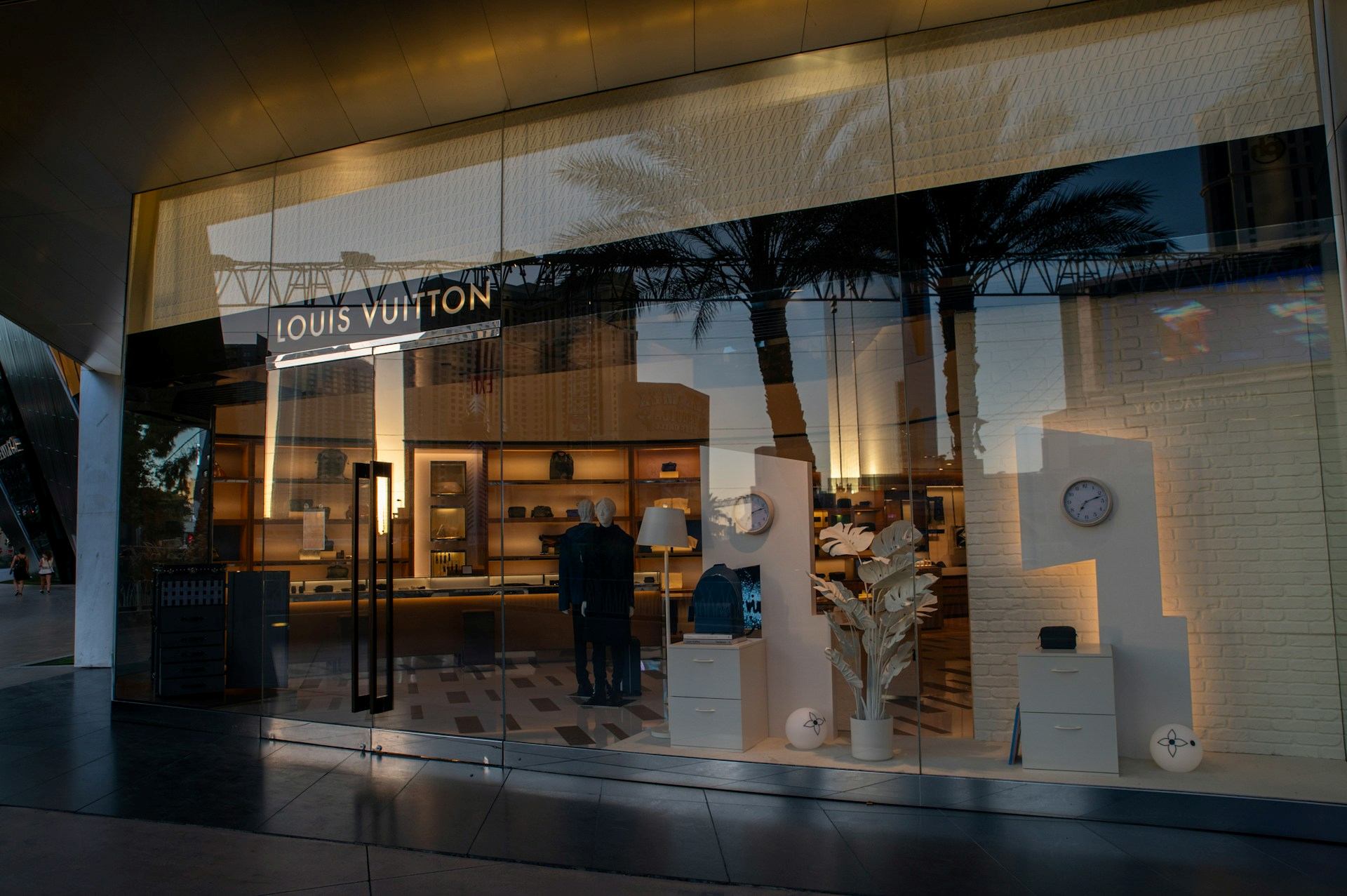
Luxury brands are actively transforming their China strategies by shifting the spotlight from goods to immersive experiences, adapting to a cooling property market and reduced discretionary spending. As sales of personal luxury items declined, with Bain citing an 18% drop in the Chinese market last year, brands such as Louis Vuitton, Prada and Dior have pursued a more emotive and experiential approach.
At the heart of this evolution is Louis Vuitton’s new 30‑metre-high, ship‑shaped flagship in Shanghai, dubbed “The Louis,” which seamlessly integrates exhibition spaces and a café to entice social‑media-savvy shoppers. Similarly, Prada unveiled a Wong Kar Wai‑designed restaurant in its Rong Zhai space, while Dior launched café concepts in Chengdu. These bespoke venues are designed not just to sell but to connect, offering refined environments where consumers can enjoy curated dining, art‑led showcases and VIP zones.
This repositioning reflects deeper shifts. China’s younger demographics, especially Millennials and Gen Z, now drive over half of luxury spending and favour brands rooted in meaningful narratives and digital engagement. They seek not only premium products but also cultural resonance and distinctive brand identities - features increasingly found in concept stores that blend heritage, cutting‑edge design and personalised service.
Industry experts view this strategy as both survival and investment. While firms are closing underperforming border‑and‑mortgage‑hit outlets (Gucci plans ten closures, for instance), those that can afford it are doubling down on large, high‑impact venues and signature events, carefully preserving brand rarity and exclusivity. Tracking Bain’s data, experiential luxury spending climbed 5% in 2024 even as personal luxury markets dipped.
Looking ahead, luxury’s future in China will rest on balance. Brands must manage digitisation and domestic competition, notably from rising "Guochao" labels, while maintaining relevance through cultural authenticity and immersive spaces. Those that can craft seamless journeys from discovery to purchase, across both physical and digital realms, will strengthen their position and resonance among evolving Chinese consumers.
This experiential pivot doesn’t signify retreat; it signals strategic adaptation - readying luxury houses for a future where emotional connection and cultural engagement shape brand loyalty, long after economic cycles stabilise.