
Beyond Abstinence: ZENO and the Pleasure of the Alcohol-Free Glass
There are moments when the ritual of wine matters as much as the wine itself: the pause before a first sip, the shape of a glass in the hand, the way a meal opens differently when something considered is poured beside it. For a growing number of drinkers, the desire for that ritual no longer always means a desire for alcohol. Wellness travel, longer lunches, working evenings,
fitness routines, medical choices and simple moderation have all widened the occasions in which people want the pleasure of wine without the consequences of drinking. The difficulty is that, too often, the alcohol-free glass has asked them to accept less.
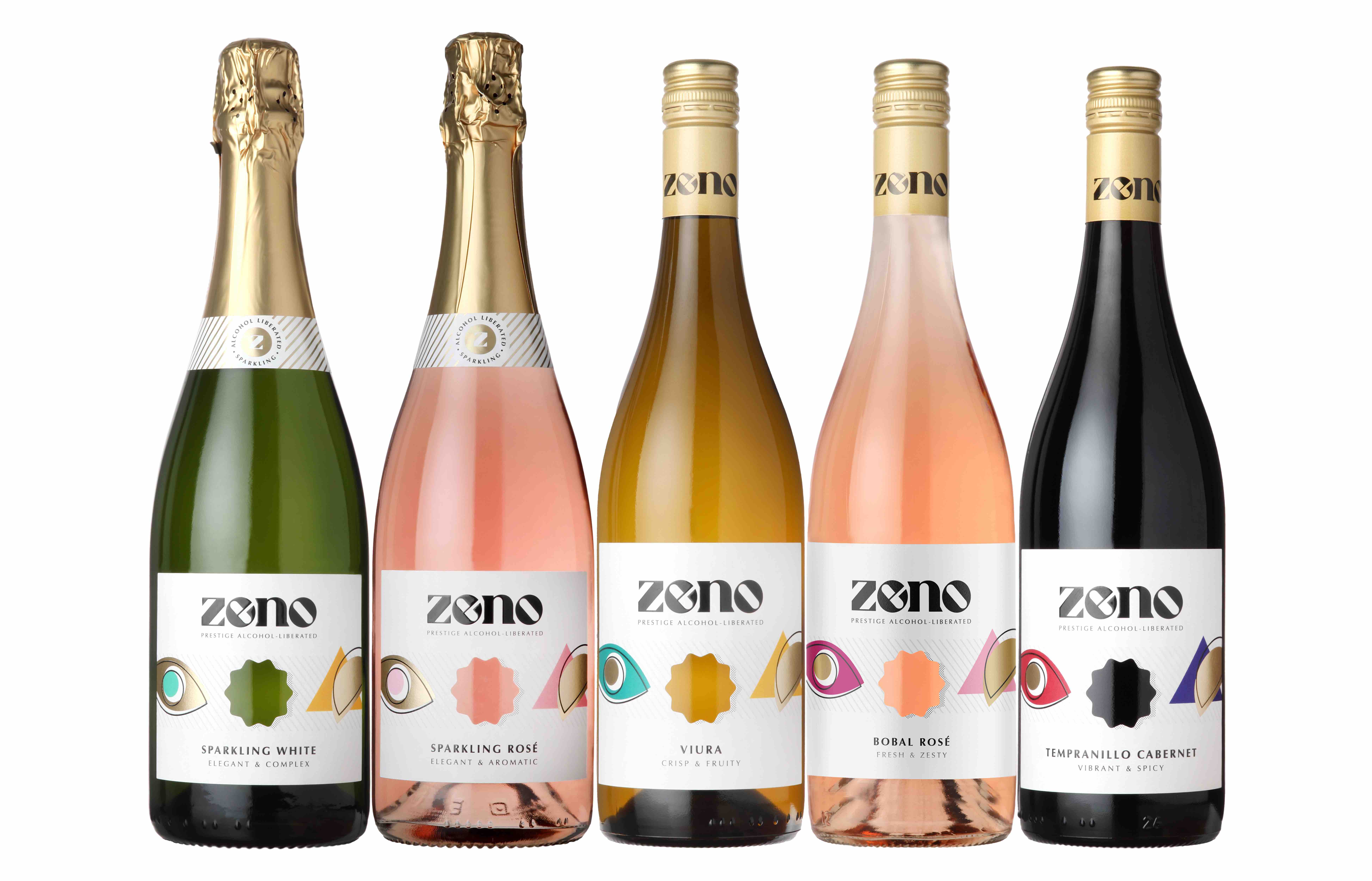
ZENO alcohol-liberated wines were created for that gap. Produced by Vinolo Ltd., the brand works from single estate organic Spanish vineyards and gently removes alcohol through advanced low-temperature vacuum technology, with wines designed from the beginning to work with the process while retaining flavour, texture and varietal character. Its proposition is not abstinence dressed as luxury, nor a soft drink borrowing the language of wine. It is a more exacting idea: that wine lovers should be able to choose moderation without surrendering the structure, provenance and quiet pleasure that make wine worth choosing in the first place.
The End of the Compromise Glass
For years, alcohol-free wine has had to fight the suspicion that it is defined by what is missing. The problem has rarely been demand alone. Many consumers are ready for more balanced drinking, and hospitality has become more attentive to guests who want sophisticated choices without alcohol. The problem is the glass itself. If the wine lacks body, if the aromatics disappear, if sweetness is used to cover what technique has removed, the experience quickly becomes a reminder of compromise.
That is the cultural tension ZENO is addressing. Its mission is to craft what it calls wines of virtue: wines with regional and varietal expression, gently liberated from alcohol for the discerning drinker on occasions when alcohol is not desired. The language matters because it shifts the category away from abstinence and towards choice. ZENO is not asking wine lovers to leave the wine occasion behind. It is asking whether that occasion can be extended.
In luxury hospitality, this distinction is increasingly important. A guest choosing not to drink alcohol may still expect a proper aperitif, a glass that works with food, a label that feels at home on a considered table. The best alcohol-free wine therefore has to do more than be acceptable. It has to carry enough structure, flavour and intent to belong inside the meal, the room and the moment.
Wine Before Technology
ZENO’s strongest claim begins before de-alcoholisation. Its wines are made from real varietal wines, drawn from single estate organic Spanish vineyards and crafted with the alcohol-liberation process in mind. That is a significant distinction in a young category where many products still feel as though they are trying to repair the wine after alcohol has been taken away.
Starting in the vineyard gives ZENO a foundation in provenance. Single estate sourcing brings coherence of place, while organic cultivation supports the brand’s wider commitment to sustainability and responsible production. The aim is to create base wines with enough texture, aromatics and balance to remain expressive after alcohol has been removed. In other words, technology is not being asked to invent quality at the end. It is being used to preserve what the winemaking has already built.
The GoLo low-temperature, high-vacuum distillation process sits within that philosophy. By working gently, the method is intended to protect varietal character and base wine integrity. ZENO also keeps its wines low in sugar and calories, vegan and focused on balance rather than simple sweetness. The result is a proposition rooted in craft as much as innovation: a wine-first approach in a category too often treated as a technical workaround.
Mindful Indulgence and the New Hospitality Table
The rise of alcohol-free wine is part of a broader shift in how people think about pleasure. Moderation is no longer necessarily a denial of indulgence. For many consumers, it is a way to choose more deliberately: to enjoy the table, the conversation and the ritual without alcohol defining the occasion. ZENO’s philosophy of moderation, wisdom, justice and courage fits neatly into that cultural change, but its most commercially relevant idea may be simpler. It is about freedom of choice.
That idea is particularly powerful in hotels, resorts and restaurants, where wellness is no longer treated as a bolt-on. It is being woven into the design of the guest experience, from menus and spa programmes to non-alcoholic pairings and evening service. A serious alcohol-free wine gives hospitality operators more than an alternative listing. It gives them a way to make moderation feel included, rather than accommodated.
For ZENO, this is also where product education and service support become important. The company’s approach to partners includes samples, training, tasting notes, digital materials and founder-led support. That matters because a prestige alcohol-free wine still needs to be understood. Staff must know how to present it, guests must understand what makes it different, and the setting must allow it to feel like a natural choice rather than a special request.
The Next Frontier of Alcohol-Liberated Wine
Alcohol-free wine remains young enough for its limits to still be unsettled. Producers are learning, technology is improving, and research into de-alcoholisation, yeast, fermentation and viticulture continues to raise the ceiling of what the category can become. ZENO’s continuous research and development reflects that sense of exploration. Its founders, David and Will, are fine wine trade veterans who were often told that producing high-quality alcohol-liberated wines was impossible. Their answer has been to treat the obstacle as the way.
Awards and trade recognition, including NA Producer of the Year 2025 and 2026 at the London Wine Competition, have given the brand external validation, but the more interesting signal is where ZENO wants to go next. The forthcoming Virtues range begins with a barrel-aged bush vine Tempranillo 2023, planned for release in Autumn 2026, with luxury white and sparkling styles expected to follow. The ambition points towards a more gastronomic, sophisticated and potentially collectable expression of alcohol-liberated wine.
That future could stretch the category in unexpected directions. ZENO is already considering the ageing potential of its wines, with the possibility of vertical vintage tastings, cellaring and limited releases from selected grape parcels. Such ideas would once have seemed almost absurd in alcohol-free wine. Now they suggest a category beginning to borrow not merely the appearance of wine culture, but some of its deeper habits: provenance, patience, experimentation and the pleasure of difference.
The future of alcohol-free wine will not be decided by moderation alone. It will be decided by whether producers can honour the craft, flavour and ceremony that made wine meaningful in the first place. ZENO’s significance lies in showing that the next chapter may not be about giving something up. It may be about widening the wine occasion itself, so that choice, balance and pleasure can sit together in the same glass.